Attention Deficit Hyperactivity Disorder (ADHD)
Our team at Florida Family Psychiatry has prepared the following educational guide and a collection of resources for you to learn more about the conditions we treat. Please scroll down to learn more.
Begin Your Journey
Meet Our Team


ADHD
Attention Deficit Hyperactivity Disorder
ADHD is a disorder that can be diagnosed in children and adults. Most cases are diagnosed during childhood, however it is possible to be diagnosed as an adult. ADHD causes people to have problems with three main areas: the ability to sit still, the ability to focus on tasks, and controlling their impulses or desires. ADHD is not a learning disability or emotional/behavioral problem, nor does not mean someone has low intelligence. Since ADHD affects people in different ways, it can make it difficult for them to function properly in society, which is why treatment is recommended.
Although ADHD cannot be cured, treatments can help control its symptoms when they affect an individual’s ability to function properly.
There are three different types of ADHD, including:
- Combined Presentation: characterized by symptoms of inattention, impulsivity and hyperactivity as described below. This is the most common type of ADHD.
- Predominantly Inattentive Presentation: characterized by a person who is easily distracted, forgets details of daily routines, struggles to organize or finish a task, and has a hard time following instructions or conversations. These patients are not overly impulsive or hyperactive and primarily struggle with attention.
- Predominantly Hyperactive-Impulsive Presentation: characterized by a person who cannot sit still, feels restless, and has trouble controlling their impulses. In children, this can be exhibited as jumping, running, or climbing constantly. In adults, this can be exhibited as fidgeting, talking a lot, speaking at inappropriate times, and/or being interruptive. These patients do not have significant issues with attention or focus and primarily struggle with impulsivity and hyperactivity.
Did You Know?
ADHD is a neurodevelopmental disorder that deals with the way the brain grows and develops. According to the CDC, ADHD is one of the most common neurodevelopmental disorders.

FREQUENTLY ASKED QUESTIONS:
What are the symptoms of ADHD?
Symptoms of ADHD can include:
- restlessness
- fidgety behavior
- impulsivity
- difficulty focusing or paying attention
- problems with organization
- losing things frequently
- inability to resist temptation
- poor time management and running late
ADHD can also cause problems in someone’s social life and home life because they are not able to control their impulses and can have trouble getting along with others in social situations. In some cases, ADHD may not be diagnosed until adulthood. ADHD symptoms in adults may look slightly different than those in children and tend to become more severe with stress. If you notice symptoms of ADHD, consider scheduling a consultation with our psychiatrists at Florida Family Psychiatry
There is no single test to diagnose ADHD. Instead, ADHD is diagnosed after a physical exam or medical history, a review of symptoms or diagnostic questionnaire, and ruling out other conditions. ADHD cannot be diagnosed with just one symptom and requires multiple symptoms to occur in several settings over a period of time before ADHD can be diagnosed. According to the DSM-5, “People with ADHD show a persistent pattern of inattention and/or hyperactivity-impulsivity that interferes with functioning or development”. Therefore, multiple symptoms must be observed within these areas in order to make an accurate diagnosis.
Although ADHD cannot be cured, there are treatments that can help control symptoms when they affect an individual’s ability to function properly. Treatment of ADHD usually includes medication. Adjunctive methods include psychotherapy focusing on executive functioning, behavior and impulse control. The most widely used treatments for ADHD are stimulant medications. The overwhelming evidence from research studies has shown that treating ADHD reduces incidence of auto accidents, reckless behaviors, and substance abuse and leads to improved academic and career achievement.
Rating Scales:
Parent Support Networks:
-
Attention-Deficit/Hyperactivity Disorder in Children and Teens: What You Need to Know
-
Attention Deficit/Hyperactivity Disorder Fact Sheet
-
Parents’ Medication Guide for ADHD in Children and Adolescents
-
Parenting a Child with ADHD
-
Parenting Teens with ADHD
-
Preschoolers and ADHD (Infographic)
-
Preschoolers and ADHD (Fact Sheet)
-
Teens and ADHD (Infographic)
-
Educational Rights for Children with ADHD in Public Schools
-
ADHD & School: A Toolkit for Parents
-
Homework Help for ADHD
-
Succeeding in College with ADHD
-
Selecting and Applying to Colleges for Students with ADHD
-
Disclosing ADHD During the College Admissions Process
-
ADHD Medication List Approved by the FDA (As of June 2021)
Guides for Teens:
Guides for Adults with ADHD:
-
Attention-Deficit/Hyperactivity Disorder in Adults: What You Need to Know
-
Time Management and ADHD: To-Do Lists
-
Time Management and ADHD: Day Planners
-
Organizing the Home and Office Space
-
Five Ways to Maintain a Newly Organized Space (infographic)
-
Managing Money & ADHD: 6 Steps to Saving Money (infographic)
-
Managing Money and ADHD: Money Management Schedule
-
Managing Money and ADHD: Saving and Spending
-
Managing Money and ADHD: Minding Your Debts
-
Managing Money and ADHD: Expenses and Goals
-
Managing Money and ADHD: 5 Ways to Curb Impulse Shopping (infographic)
Podcasts:
Guides for Educators:
-
Attention Deficit/Hyperactivity Disorder Fact Sheet
-
Math Assignments
-
Written Assignments
-
Reading Assignments
-
Assignment Accommodations
-
Instructional Process
-
Classroom Accommodations
-
Educational Rights for Children with ADHD in Public Schools
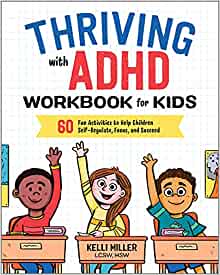
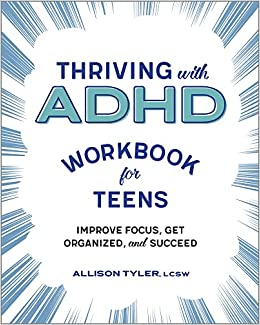
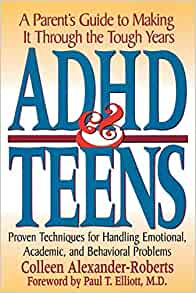
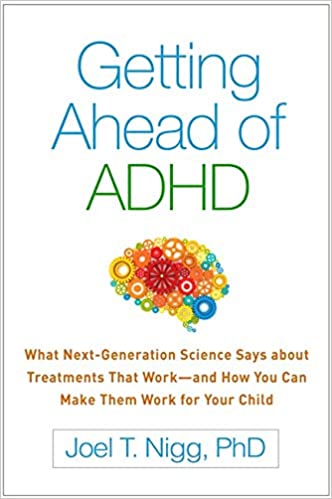
ADHD Books for Kids, Teens, and Parents:
ADHD Books for Adults:
ADHD Books for Teachers:
Videos:
Playlist
14 Videos

Mental Health Minute: Attention-Deficit/Hyperactivity Disorder
1:06

ADD/ADHD | What Is Attention Deficit Hyperactivity Disorder?
28:15

NIMH Expert Dr. Mary Rooney Discusses Managing ADHD in Children and Adolescents
28:01

Teens succeeding in college with ADHD
2:40

I Have ADHD And That’s Okay
15:06

Self-Test: Do I Have Adult ADHD Symptoms?
1:27

Are There Really 3 Types of ADHD?
2:11

How ADHD Makes You Inattentive: The ADD Brain
1:21

Get to Know YOUR ADHD
1:47

Inside the ADHD Brain: Impulsivity & Impulsive Behavior
1:26

5 Ways ADHD Can Ruin Relationships
1:44

The 20 Percent Rule for Decluttering
1:44

How to Simplify Your To-Do List
2:26

How to Teach Kids About Money
2:46
Disclaimer:
Some of the content of this Florida Family Psychiatry (FFP) webpage were sourced from the American Academy of Child and Adolescent Psychiatry, the American Board of Psychiatry and Neurology, the National Institute of Mental Health, Centers for Disease Control and Prevention (CDC), Children and Adults with Attention-Deficit/Hyperactivity Disorder, and their affiliates. The content on this page should be used for informational purposes only. It is not intended to be a substitute for professional medical advice, diagnosis, or treatment. FFP has made every attempt to ensure the accuracy and reliability of the content on this website. However, the information is provided “as is” without warranty of any kind.
FFP does not accept any liability or responsibility for the content, accuracy, completeness, reliability or legality of the content on this website. FFP does not endorse or recommend any products or services. Additionally, external parties may not use any information on this website for advertising or product endorsement purposes.
We see children, teens, and adults.
Florida Family Psychiatry utilizes an evidence-based approach to provide compassionate care for a plethora of psychiatric conditions at our welcoming practice.
Get Appointment
Request An Appointment Today
Lorem Ipsum is simply dummy text of the printing and typesetting industry. Lorem Ipsum has been the industry’s standard dummy text ever since the 1500s, when an unknown printer took a galley of type and scrambled it to make a type specimen book. It has survived not only five centuries, but also the leap into electronic typesetting, remaining essentially unchanged. It was popularised in the 1960s with the release of Letraset sheets containing Lorem Ipsum passages, and more recently with desktop publishing software like Aldus PageMaker including versions of Lorem Ipsum.